BLOCK FIRE RISK

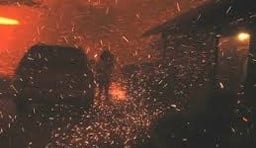
On this page, you’ll learn how the first house on a block ignited by wind-blown embers can turn into a Serrano-wide conflagration—and how homeowners on the block and the HOA can reduce this risk.
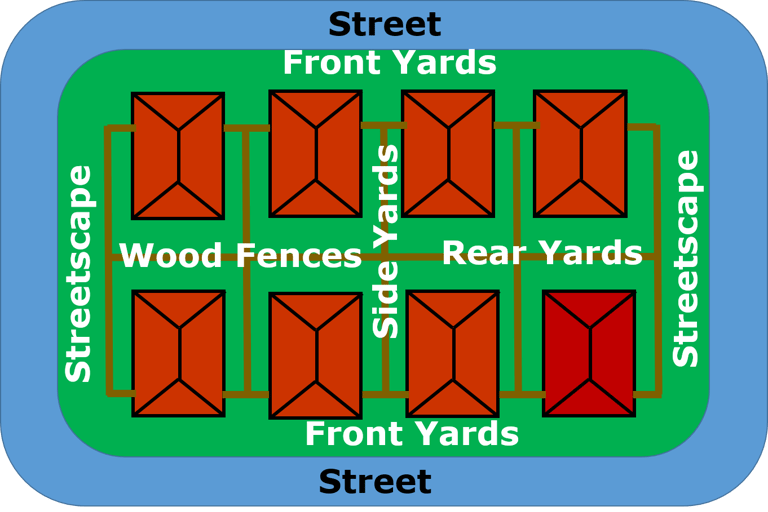
A block is a group of homes bordered by streets—and in some cases by open space or golf course fairways as well.
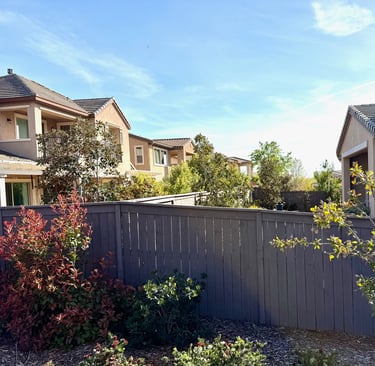
Within those boundaries are deed-owned parcels, privacy wood fences, and HOA-maintained front yards, streetscapes, and slopes.
Definitions
A block fire starts when windblown embers ignite the first home on a block, and the flames, radiant heat, and embers from that house fire ignite the next downwind home—continuing from house to house until the fire reaches the end of the block.
Block Fire
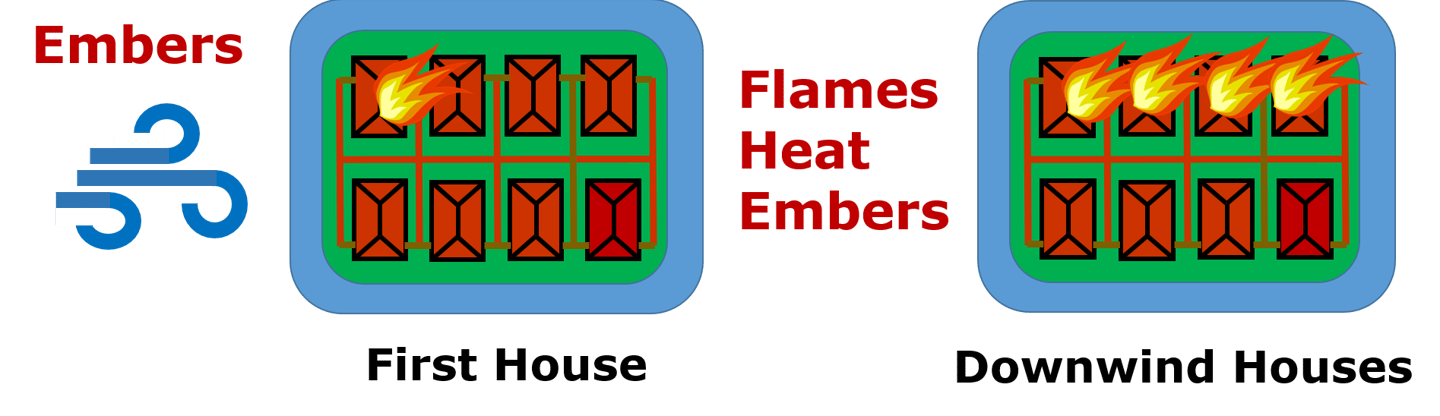
Streets may slow flames and radiant heat, but wind-driven embers from burning homes can travel beyond the block and ignite others. This chain reaction can repeat—turning a single house fire into a community-wide conflagration.
Based on post-wildfire damage assessments and fire science research, structure separation distance is the most important driver of house-to-house fires.
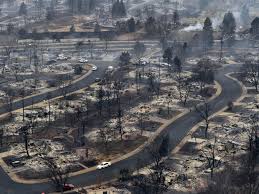
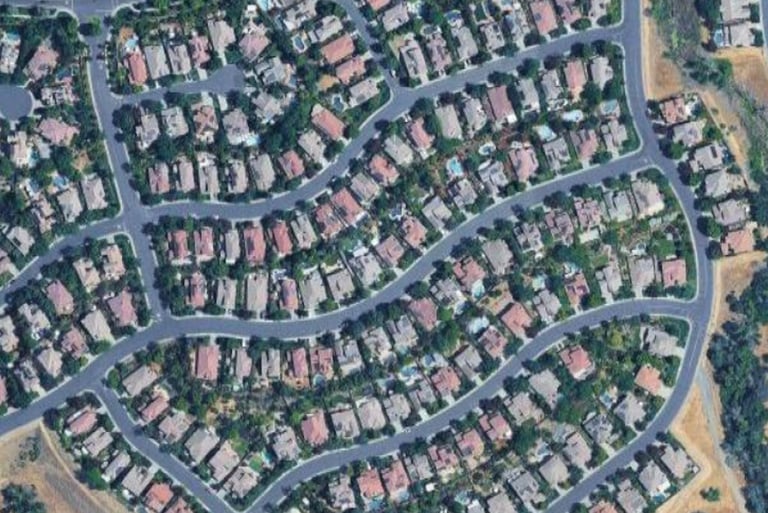
In fires such as the 2021 Marshall Fire in Boulder, Colorado, neighborhoods with homes separated by only 10–20 feet experienced rapid, wind-driven house-to-house ignition. In Serrano, the separation distance in most villages is typically in that range.

Serrano Goal
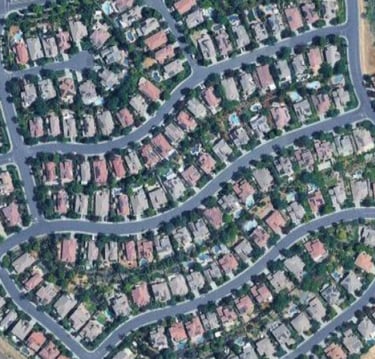
Marshall Fire
Boulder County, Colorado
December 2021
Serrano Village
Once a home ignites, there is more than a 90 percent chance it will become a total loss without fire department intervention.
More importantly, the flames, radiant heat, and embers produced by a burning home can ignite the nearest downwind house, regardless of its building materials or nearby vegetation.
The goal is simple: prevent the first home on each block from igniting.
To do that, every block should:
Request a Block Assessment to get started
Reduce each home’s vulnerability to wind-driven embers
Work with the HOA to identify and remove fuels that can spread fire between homes
The following block-level fuels can contribute to the spread of fire toward homes and across a block:
Wood privacy fencing that connects to homes on the block
Streetscape fencing and landscaping
Slope landscaping
Wood Privacy Fencing
Wood fences can act as a wick, spreading fire from home to home.
Embers typically ignite debris at the base—mulch and leaves—which then ignite the fence.
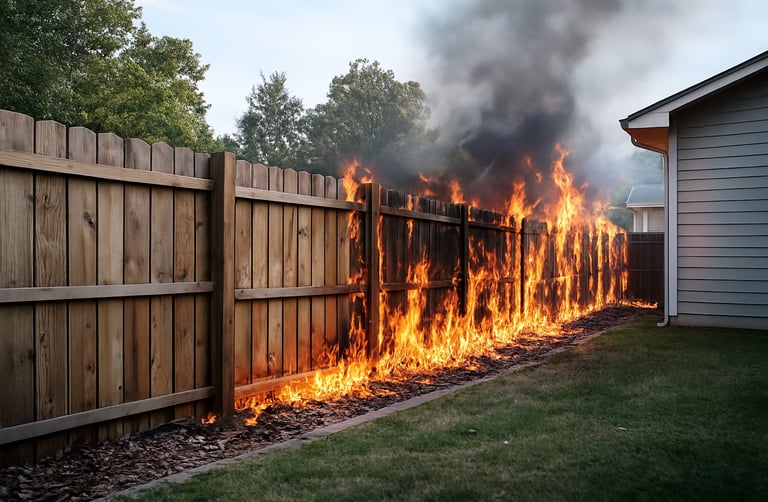
A burning fence can carry fire straight to your home through attached wood gates and fence sections.
Before it gets there, heat and flames along the side yard can ignite vegetation and combustibles—threatening windows, eaves, and nearby homes.
Replacing an entire side yard wood fence can be costly—often around $10,000.
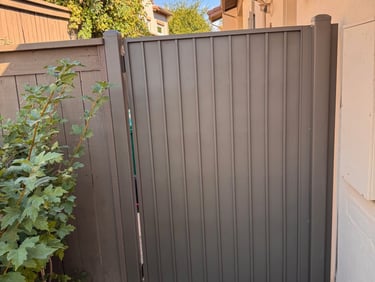
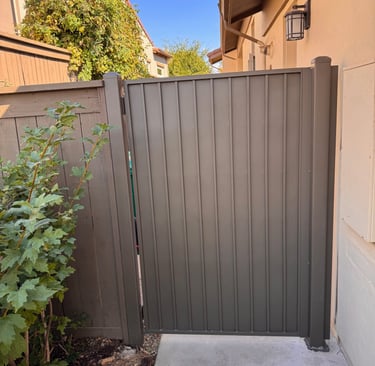
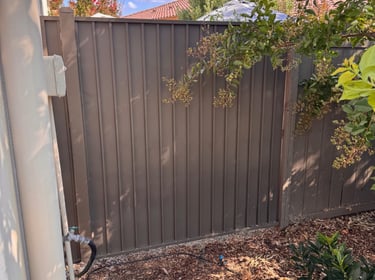
One option is to replace the wood gate and the first five feet of attached fence with HOA-approved metal, typically costing around $2,500. This breaks a fire pathway to and from your home.
However, risk remains. A burning fence can still carry fire along side yards, igniting nearby vegetation and combustibles—threatening windows and eaves and potentially leading to additional home ignitions. The most effective way to reduce this risk is to remove all vegetation and combustible materials on both sides of the fence.
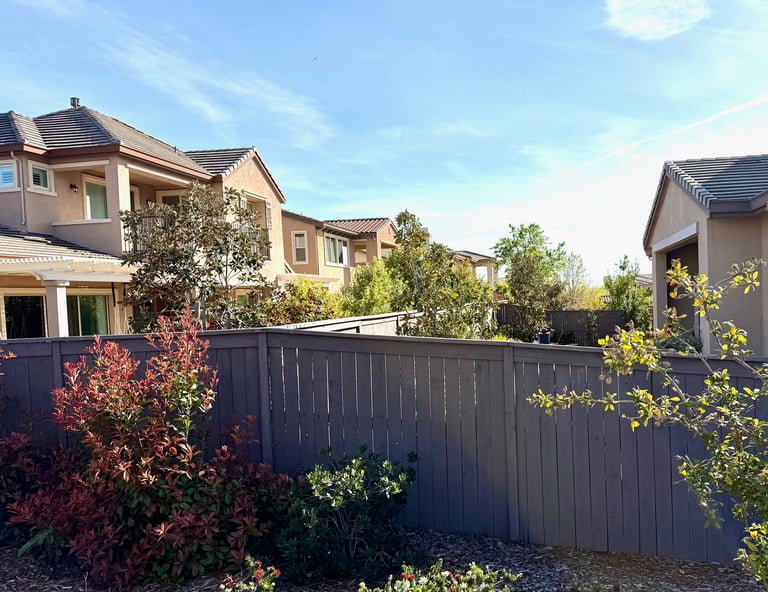
Metal Gate
Metal Attached Fence
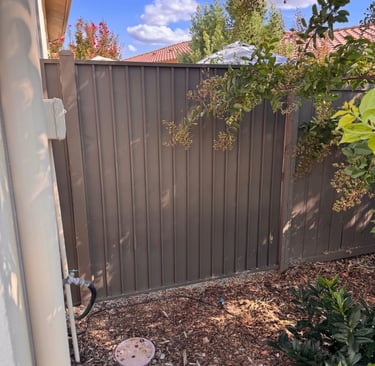
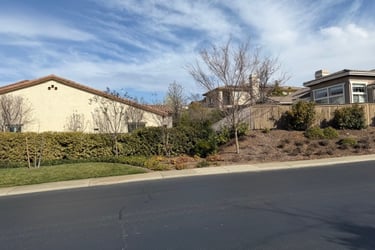
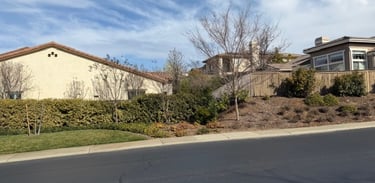
Streetscape vegetation and bark mulch next to wood fences can pose a serious hazard to every home on the block. Together, they act as connective fuels—carrying fire to the front of the home and into side yards, where flames and radiant heat can threaten windows and eaves.
Once one home ignites, the fire can spread from house to house—creating a chain reaction across the block.
Block risk is reduced when the HOA takes the following actions along streetscapes next to wood fences:
Remove bark mulch and yard debris within 10 feet of fences
Keep all vegetation at least 5 feet from wood fences
Break up fuel continuity beyond 5 feet
Streetscape Fencing and Landscaping
Sources
2024 Serrano Wildland Urban Interface Fire Safe Plan. Serrano El Dorado Owners Association. December 2024.
Giammanco, I., et al. The Return of Conflagration in Our Built Environment. IBHS. September 2023
Hedayati, F., et al. Wind-Driven Building-to-Building Fire Spread: Experimental Results and Probabilistic Modeling. Fire Technology. January 2026.
IBHS Research. Post-Event Investigation: California Wildfires of 2017 and 2018. July 2020.
IBHS Standard. Wildfire Prepared Neighborhood Technical Standard. Version 2025.
Maranghides, A., et al. NIST Outdoor Structure Separation Experiments (NOSSE) with Wind. NIST Technical Note 2253. May 2023.
Maranghides, A., et al. WUI Structure/Parcel/Community Fire Hazard Mitigation Methodology. NIST Techncal Note 2205. March 2022.
Monroy, X., et al. The 2025 LA Conflagrations. IBHS. December 2025.
Zamanialaei, M., et al. Fire Risk to Structures in California's Wildland-Urban Interface. Native Communications. August 2025