HOUSE FIRE RISK
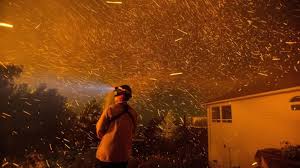
On this page, you’ll learn how wind-driven embers can ignite homes in Serrano—and the practical steps homeowners can take to reduce that risk.
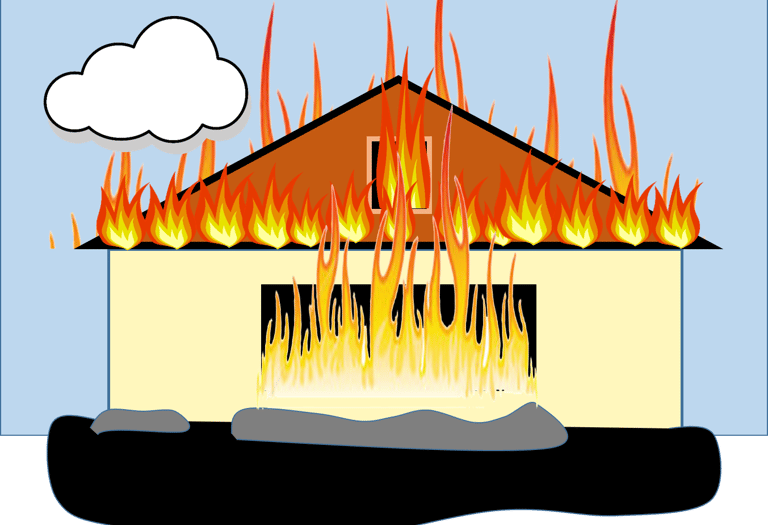
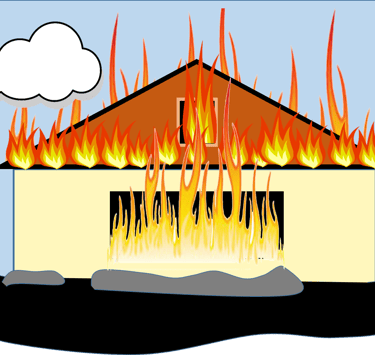
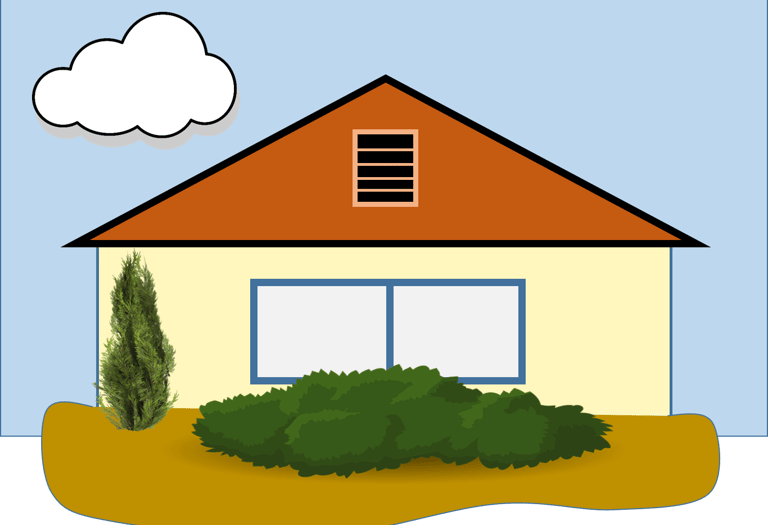
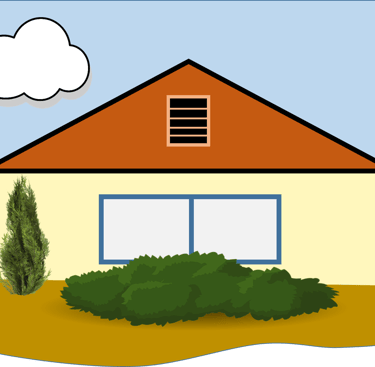
Now imagine strong winds driving embers toward a home like the one shown—fire-rated roof, stucco siding, and dual-pane windows, but with exposed eaves, bark mulch along the base, and shrubs beneath windows and eaves.
Here’s what can happen:
Before
After
Wind-blown embers can enter through vents, collect in gutters and debris, or ignite vegetation and combustible materials next to your home. Flames and heat can then break windows or ignite eaves—allowing fire to spread inside. In minutes, embers from a distant wildfire can become a house fire.
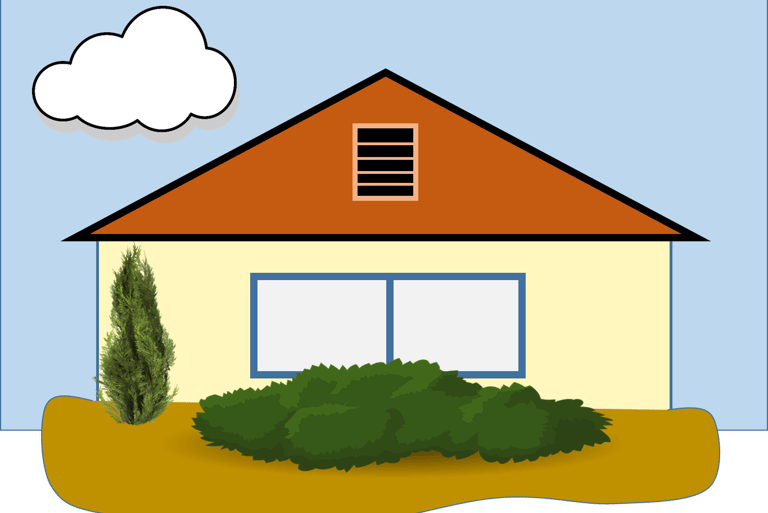
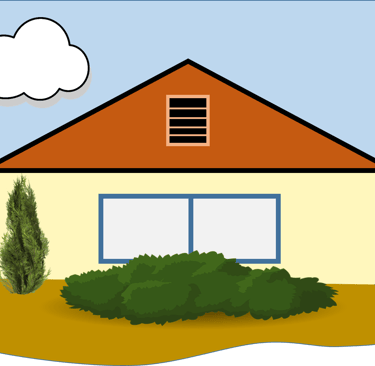
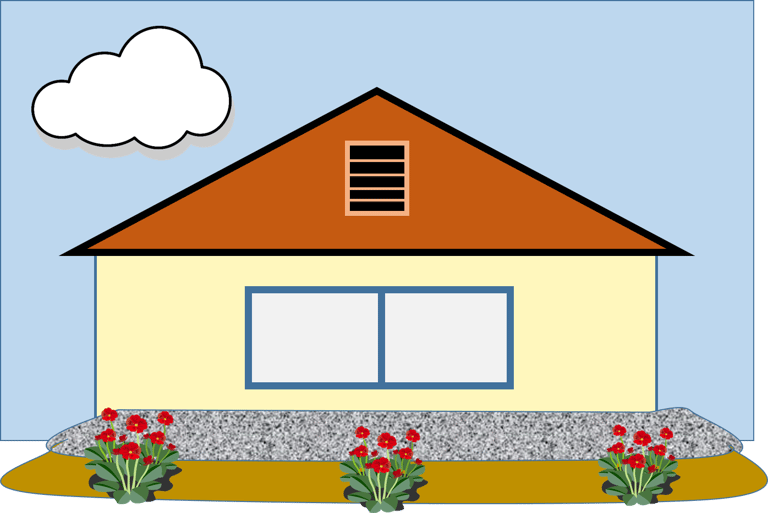
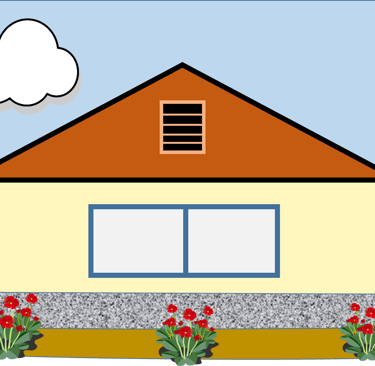
High Risk
Lower Risk
Risk Reduction
The most effective way to reduce the risk of home ignition is to prevent embers, flames, and radiant heat from entering the structure in the first place. The practical measures below are supported by post-wildfire damage assessments and fire science research. Sources are provided at the bottom of this page.
Keep Embers Out
Replace old-style 1/4-inch mesh vents with commercially available ember-resistant vents or cover them with 1/8-inch or 1/16-inch mesh. Verify proper ventilation with a professional roofer.
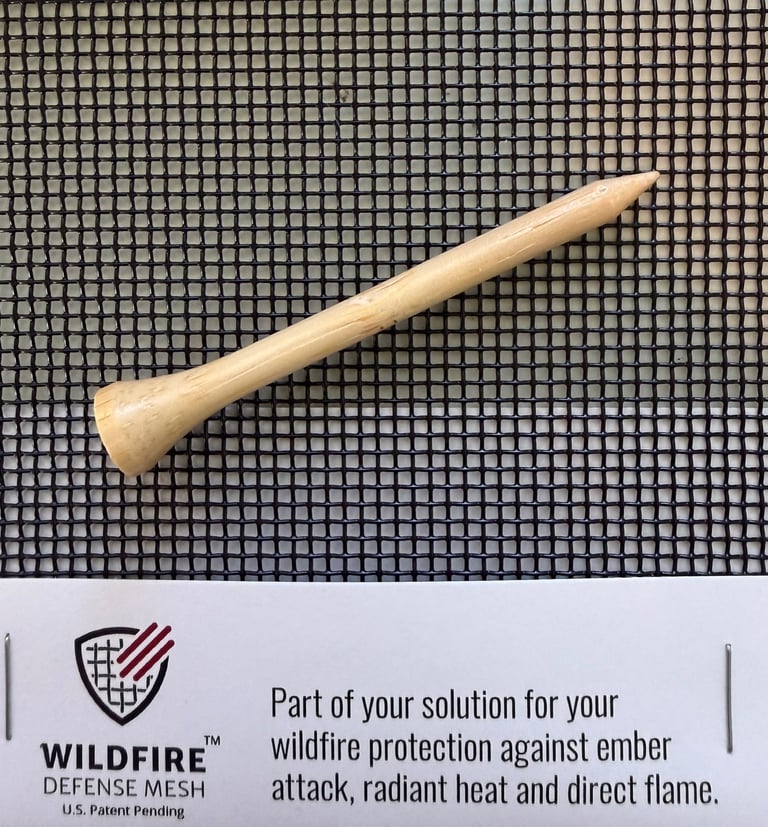
Vents and Gaps
Embers can enter the house directly through vents in the foundation, eaves, gables, and roof, and through gaps around garage doors.
Replace garage door weatherstripping if gaps exceed 1/8-inch to prevent swirling embers from entering.
Keep Flames and Radiant Heat Out
Flames and radiant heat can enter the home through windows and from ignited eaves.
Gutters
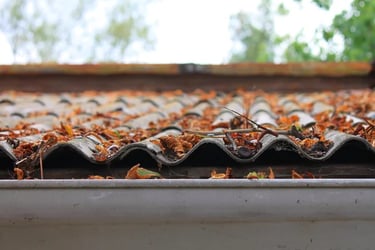
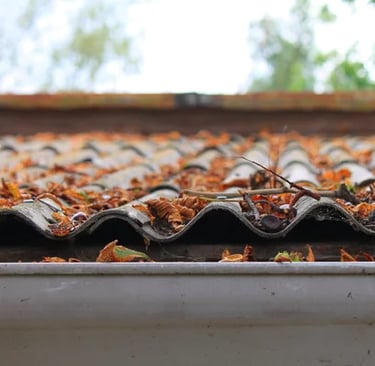
Embers can melt vinyl or plastic gutters and ignite debris inside them, allowing flames to reach the roof edge and potentially spread into the attic.
To reduce gutter ignition risk:
Install non-combustible metal gutters and downspouts
Install metal gutter guards
Clean gutters before fire season
Eaves
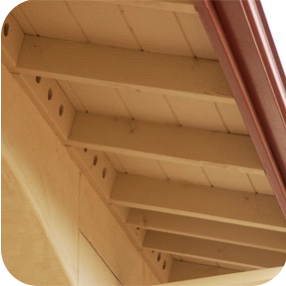
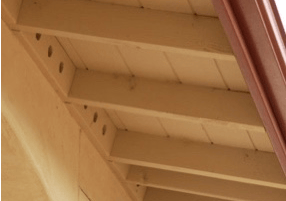
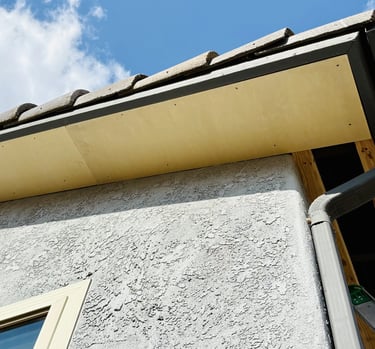
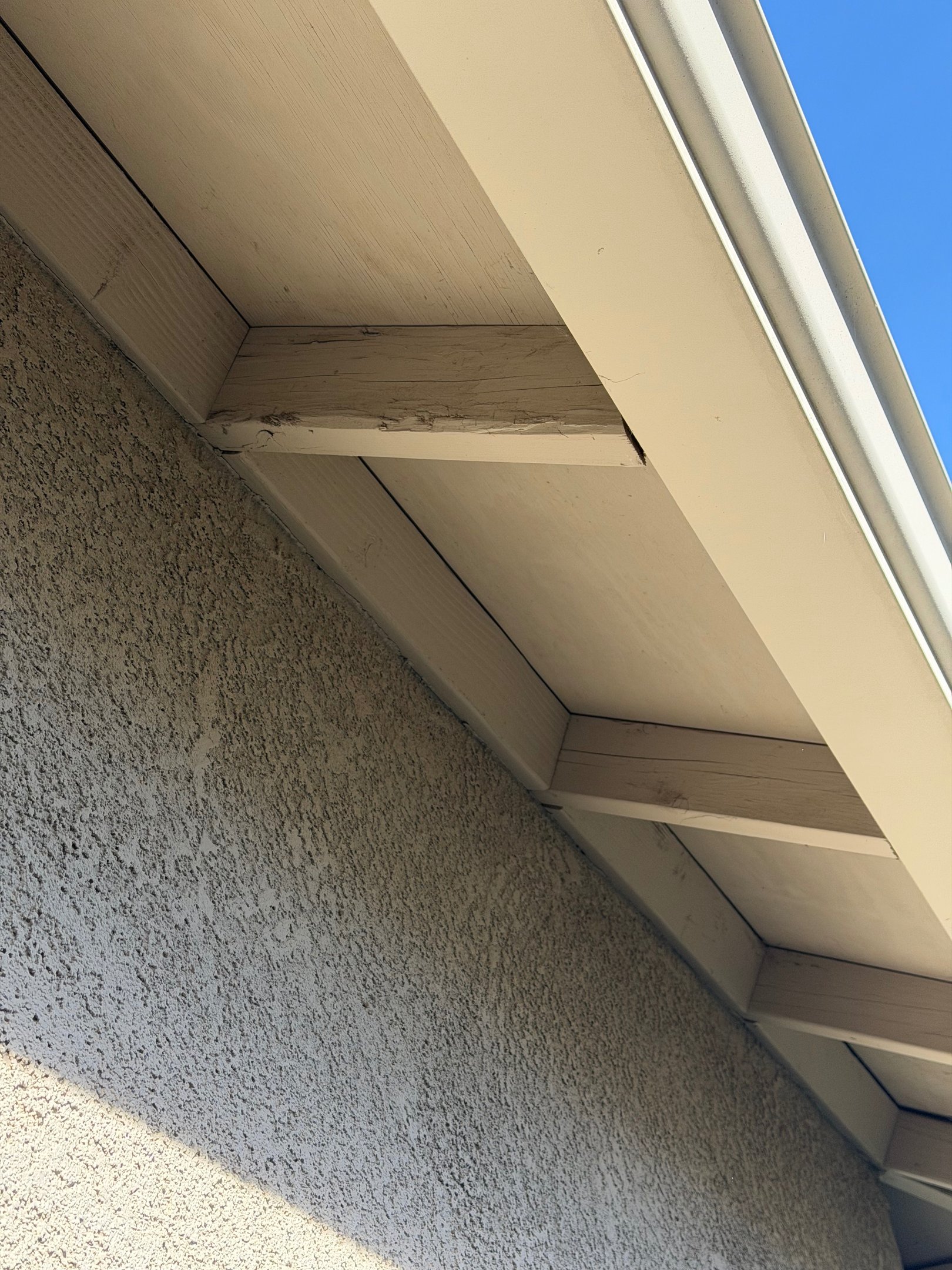
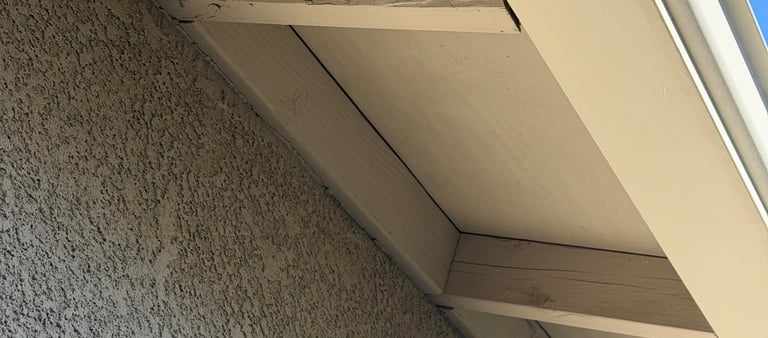
Most Serrano homes have exposed eaves where embers and radiant heat can collect—creating a common pathway for fire to enter the attic. Research shows homes with enclosed eaves survive at much higher rates, especially since single-story eaves sit closer to ground-level fuels like shrubs, mulch, and fencing. Enclosing eaves with noncombustible soffits blocks embers and heat—but can cost $10,000 or more.
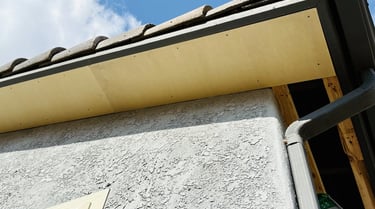
Enclosed
Exposed
There are other options that can make a meaningful difference, if enclosing your eaves isn't economically feasible:
Seal gaps in the eaves larger than 1/8-inch. Small openings can trap wind-blown embers and allow them to lodge in combustible areas of the eave structure.
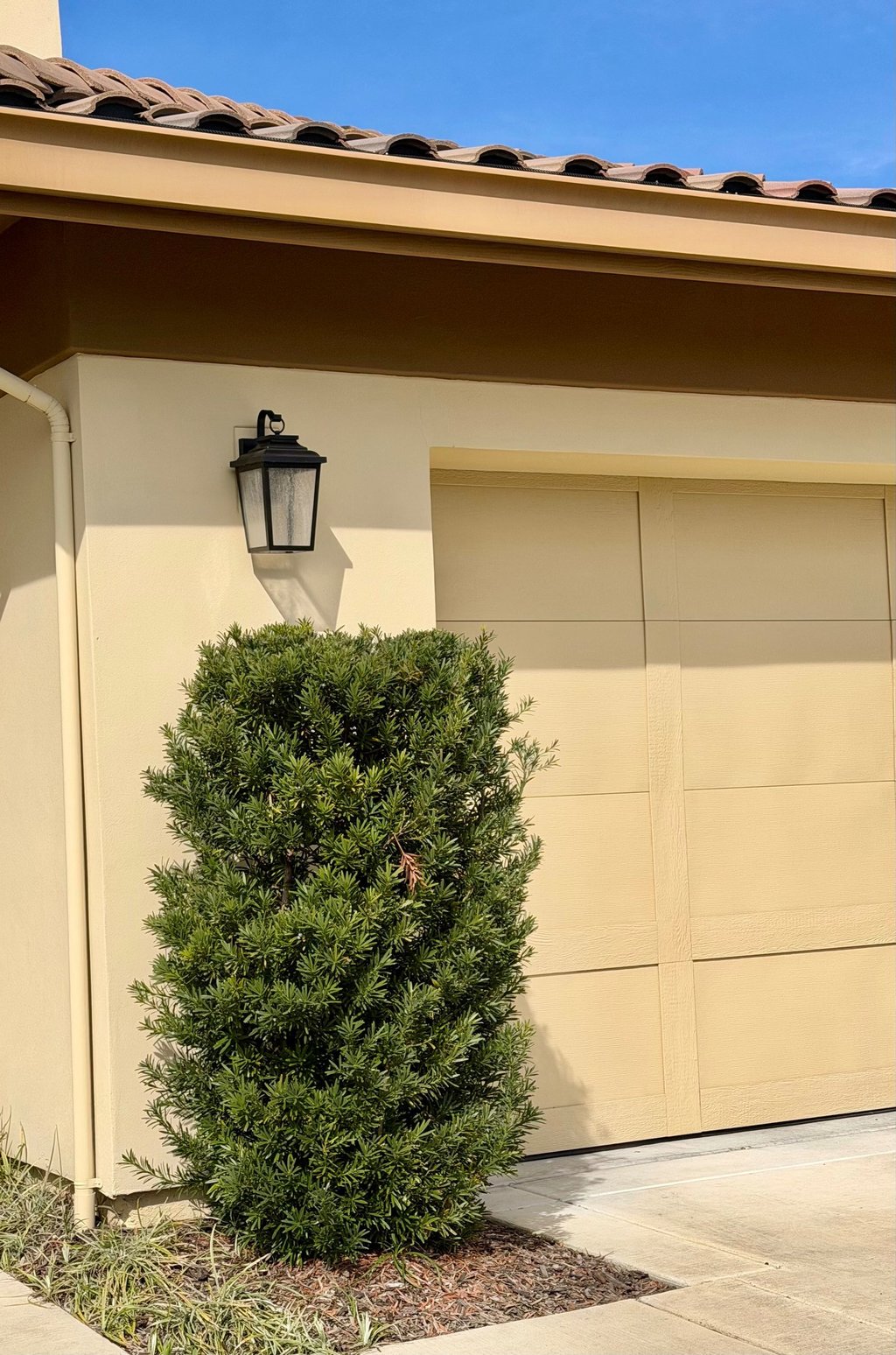
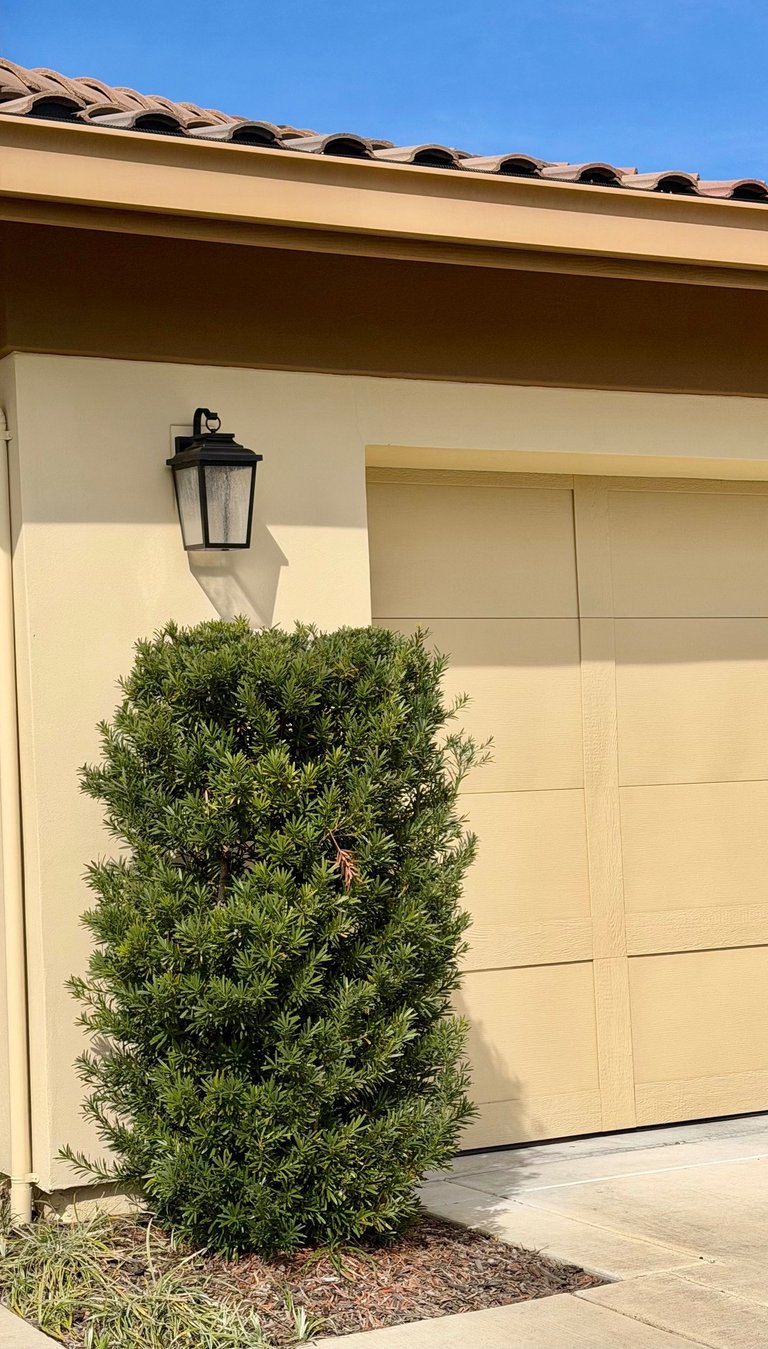
Remove shrubs located directly under eaves. When shrubs ignite, they can send flames and intense radiant heat along the underside of the eaves. Eliminating shrubs below the eaves removes this direct flame pathway.
Windows can be upgraded—replacing vinyl frames with aluminum and using dual tempered glass—but these retrofits are costly and may only delay failure under extreme heat.
A more practical approach is to reduce flame and heat exposure: remove bark mulch and shrubs near windows and replace attached wood fencing with metal. This lowers the chance of flames and radiant heat causing window failure and igniting eaves.
How far is far enough?
Research shows that maintaining at least 5 feet of noncombustible space around the home and spacing vegetation 5–30 feet away significantly reduces risk during wind-driven ember events.
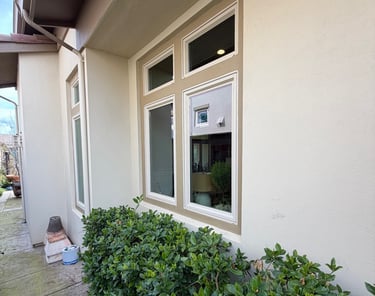
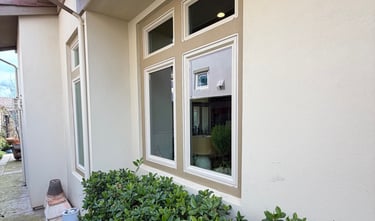
Windows are among the highest-risk structural features in Serrano because:
1. Radiant heat transmission: Window glass can transmit heat into the home, igniting nearby materials—such as curtains, shutters, and furniture—even before the glass fails.
2. Frame vulnerability: Vinyl window frames can soften and deform at relatively low temperatures, causing annealed glass to crack and tempered glass to fall out—creating an opening for flames and embers.
Windows
3. If the window frame remains intact, the annealed glass typically fails first. If a tempered pane is present, it will then fracture.
Additional Vulnerabilities
Several additional structural features in Serrano can increase wildfire risk and are not addressed here, including:
Combustible shutters
Operable skylights with 1/4-inch mesh screens
Attached, unenclosed structures made of combustible materials
Decks constructed with combustible materials
Hot tubs located near the home
Sources
Vents and Eaves
Brown, C., et al. Eave and Vent Experiments (EaVE) Phase A. NIST Technical Note 2341
Quarles, S. Vulnerability of Vents to Wind-Blown Embers. IBHS. August 2017.
Quarles, S., et al. Vulnerabiltity of the eave to direct flame contact and radiant exposure. Conference Proceedings Fire and Materials 2011.
Windows
Schrader, R., et al. Experimental Study of Heat Transfer Through Windows Exposed to a Radiant Panel Heater. Fire Technology. January 2025.
Willi, J., et al. Window Pane Failure During Exterior Fire Exposure. Fire Technology. December 2024.
Fences
Butler, K., et al. Wind-Driven Fire Spread to a Structure from Fences and Mulch. NIST Technical Note 2228. August 2022.
Mulch
Quarles, S. and Smith, E. “The Combustibility of Landscape Mulches.” University of Nevada Cooperative Extension. 2011.
Vegetation
Hedayati, F., et al. Near-Building Noncombustible Zone. IBHS. December 2018.
Vegetation in Zone 0: Amplifying Damage to Structures. IBHS. December 2025
General
Builder’s Guide to Construction in Wildfire Zones. FEMA P-737. December 2025.
California 2025 Wildland-Urban Interface Code. Title 24 Part 7.
Wildfire Prepared Home Standard. IBHS
Hedayati, F., et al. WILDLAND FIRE EMBERS AND FLAMES: Home Mitigations That Matter. IBHS Research. April 2023.